Adelaida is an immersion into the traces of memory—a visual exploration that stirs time to restore the story of a woman who, from the margins of her era, challenged the codes of her class and gender. On the threshold of modernity, between the late 19th and early 20th centuries, Adelaida Martínez-Corera embodied a quiet yet forceful dissent: a widow, mother of three children and caretaker of three more, she took on the management of a building in Lavapiés, transcending imposed limitations and asserting herself as an active subject in a society that confined women to the private sphere.
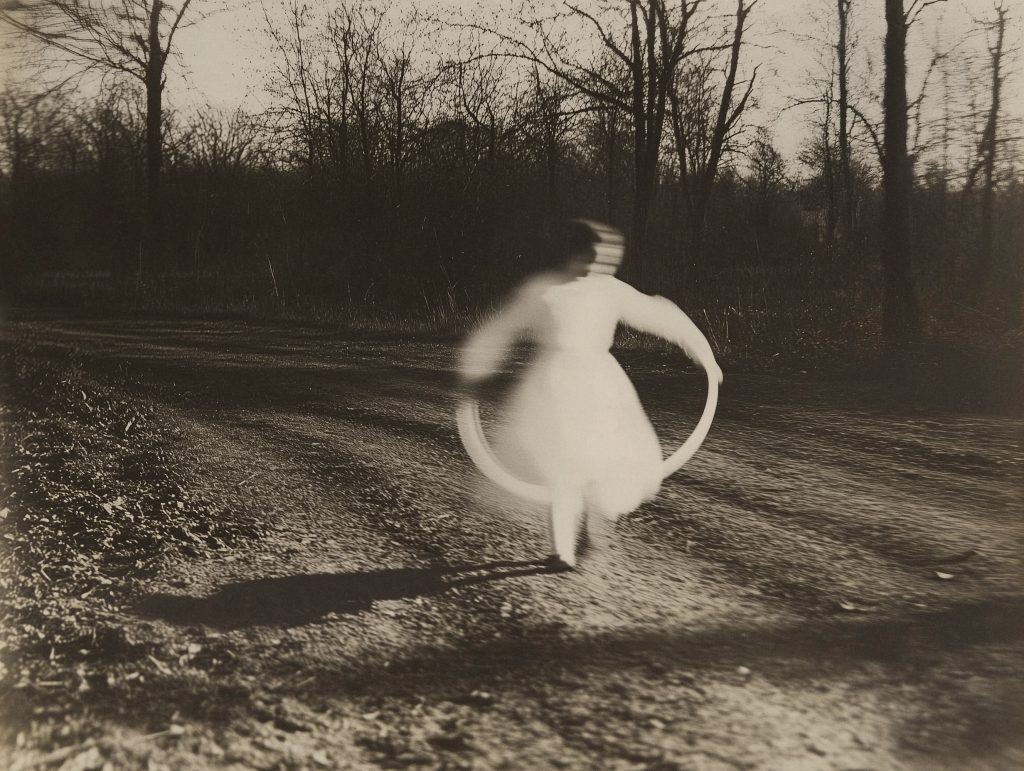
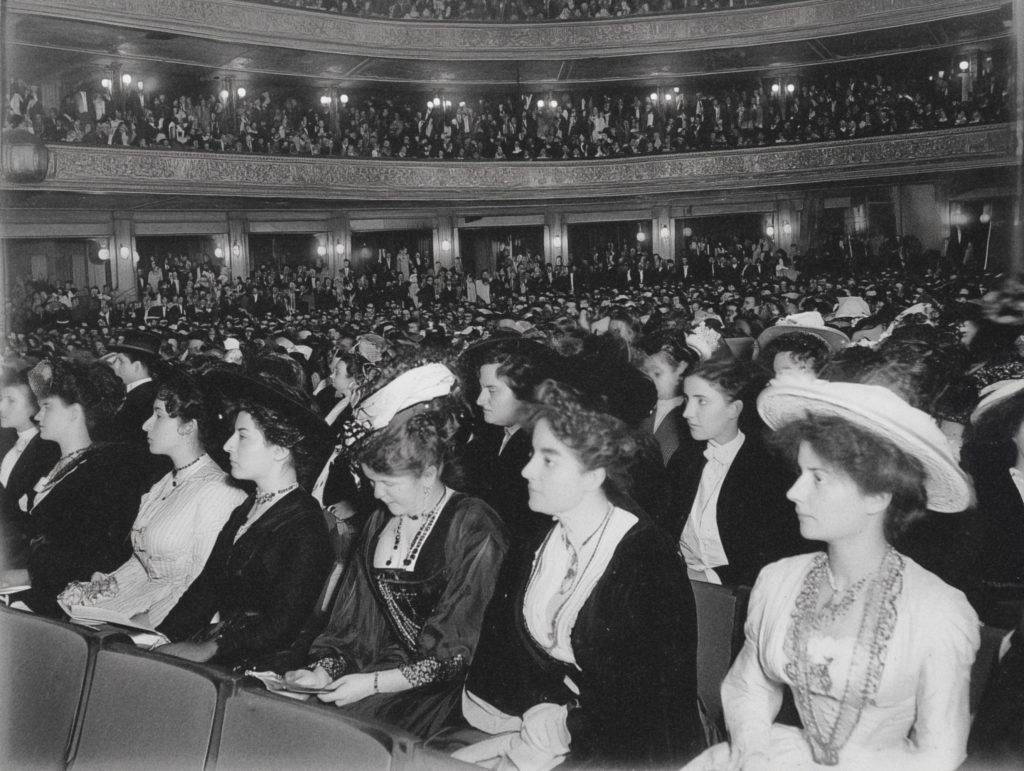
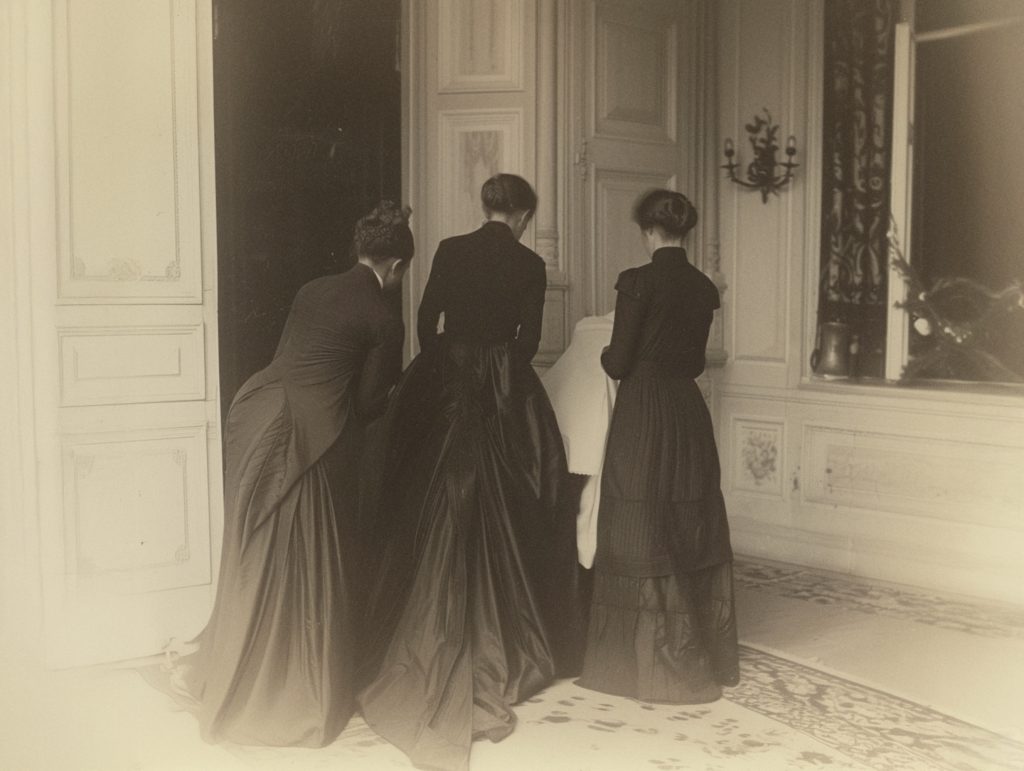
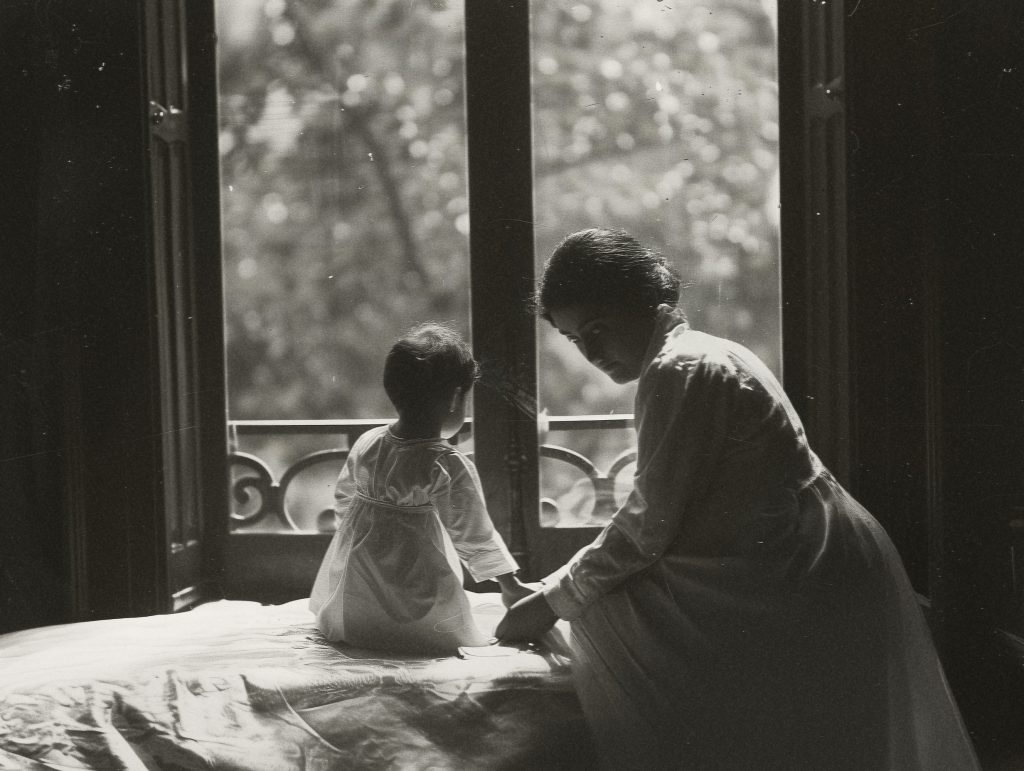
This reconstruction unfolds through a constant dialogue between the archived and the imagined. The Hausmann photographic archive, composed of carte de visite and cabinet portraits, offers a visual atlas of the 19th-century bourgeois world, revealing both its rigidity and its fractures. Far from being mere remnants, these images interrogate the historical iconography of femininity and its absences, evoking what time has sought to silence. In turn, the generation of images through artificial intelligence intervenes in this cartography of the unspoken, proposing scenes never captured—moments withdrawn from the documentary gaze that now emerge in a gesture of visual restitution. Inspired by historical documents and the pictorial aesthetics of the period, these images expand the boundaries of representation and reformulate the status of memory in the digital age.
Adelaida’s presence becomes even more tangible through original documents that carry the weight of time. This proposal is situated within the Museo Nacional del Romanticismo, providing context for the world into which Adelaida was born—a witness to a society on the cusp of modernity.